Can You Get Married Outdoors in Banff National Park?
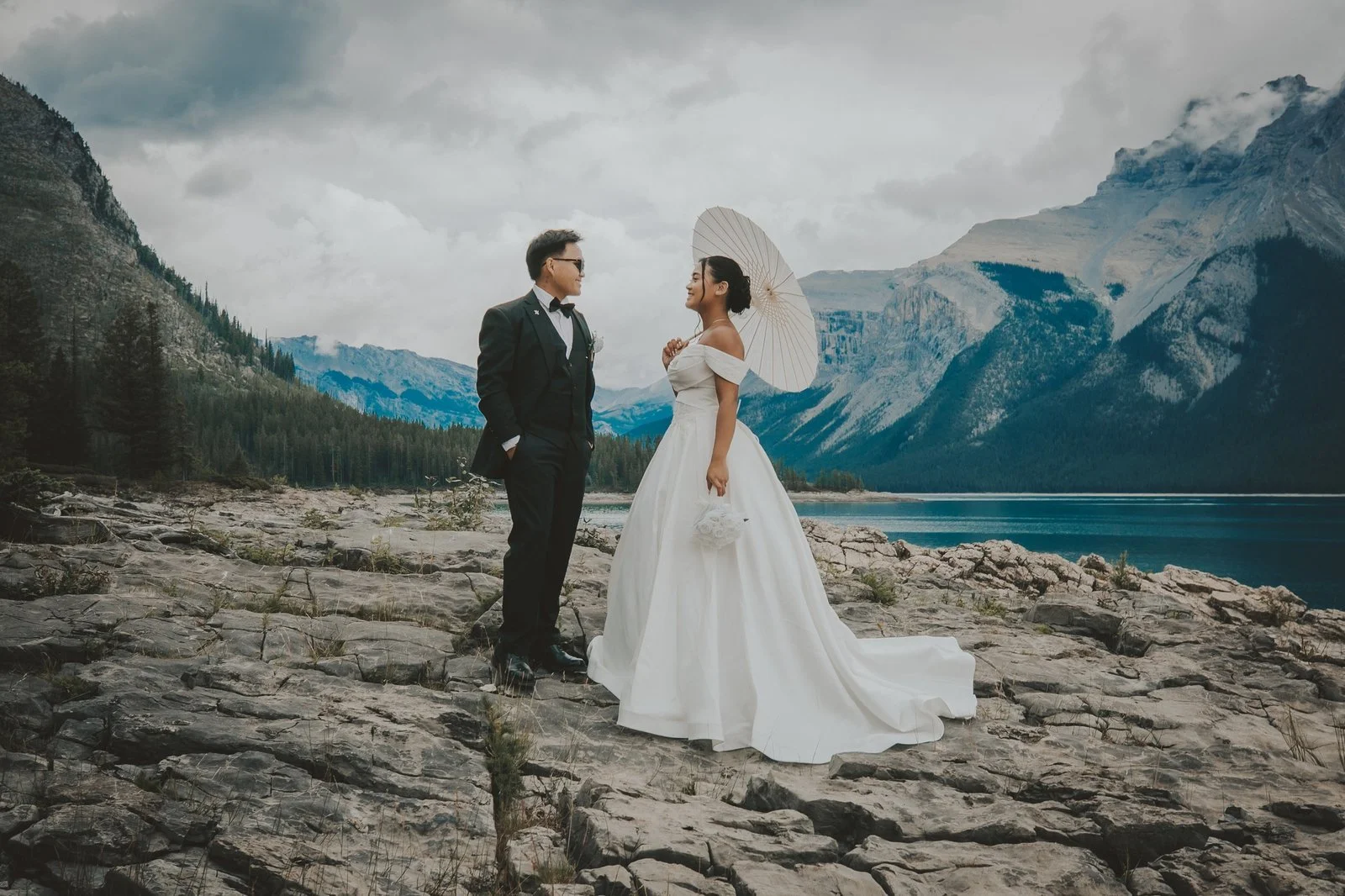
This guide is for informational purposes only and does not constitute legal advice. Last reviewed: June 5, 2026. Always verify park regulations and permit requirements with official Parks Canada sources before making final plans.
Yes, you can absolutely get married outdoors in Banff National Park! Many couples from around the world dream of exchanging vows against the backdrop of the Victoria Glacier or the towering peaks of the Valley of the Ten Peaks. The good news is that Parks Canada typically allows small wedding ceremonies in many of the park’s most scenic public areas.
However, because Banff is a protected National Park and a UNESCO World Heritage site, there are specific rules and registration processes you must follow. Planning a mountain wedding is a bit different than booking a traditional venue. You are essentially sharing a public space with nature and other visitors, so understanding the "leave no trace" ethics and permit requirements is the first step toward a successful day.
In this guide, we will walk through the current regulations for 2026, the best outdoor locations, and how to ensure your ceremony is both legal and respectful of this beautiful environment.
The Special Event Registration Process
As of our last update, if you plan to hold a wedding ceremony in Banff National Park, you are usually required to submit a Wedding Ceremony Registration form (sometimes called a Special Event Registration) to Parks Canada.
Based on current regulations, this form is mandatory for all weddings, regardless of how small the group is. The registration helps park officials manage the number of events happening in the park and ensures that couples are aware of the rules regarding group size, noise, and environmental protection.
Key things to know about the registration:
- Timing: Parks Canada typically asks that you submit your completed and signed registration form at least three days before your ceremony.
- Fees: In our experience, there has historically been no fee or only a very modest "special use" fee for the registration form itself, but this can change. You should always confirm current costs with Parks Canada directly.
- No Exclusive Use: One of the most important things to understand is that a permit does not give you exclusive use of an area. You cannot rope off a section of the lakeshore or ask other tourists to leave. Many couples find that choosing "off-peak" times like sunrise or a weekday helps in finding a quieter spot.
Popular Outdoor Locations and Participant Limits
Banff National Park offers a variety of stunning backdrops, from glacier-fed lakes to high-altitude meadows. However, not every location is suitable for every group size. To keep the impact on the land low, Parks Canada typically limits the number of participants for outdoor ceremonies in public areas.
The table below outlines some of the most popular spots and the typical participant limits as of current guidelines.
| Location | Typical Participant Limit | Best Known For |
|---|---|---|
| Moraine Lake | 20 people | Turquoise water and the "Rockpile" view. |
| Lake Louise | 20 people | Iconic glacier views and easy accessibility. |
| Lake Minnewanka | 20 people | Dramatic mountain reflections and rocky shores. |
| Tunnel Mountain Reservoir | Up to 150 (Bookable) | Wide grassy area with views of Mt. Rundle. |
| Bow Lake | 20 people | Massive glacier backdrop and serene atmosphere. |
| Peyto Lake Viewpoint | 20 people | Bird's-eye view of the fox-shaped lake. |
(Note: "Participants" usually include the couple, the officiant, the photographer, the videographer, and any guests.)

Essential Rules for a Park Ceremony
To protect the wildlife and the delicate ecosystem, there are several "dos and don'ts" that you must follow during your ceremony. These rules are designed to ensure that the park stays beautiful for everyone.
1. Keep Props to a Minimum
Parks Canada typically requires that you keep your setup very simple. In many cases, you are allowed a small signing table and a single chair for anyone who truly needs one (such as an elderly guest). You may also be able to use a small, freestanding wedding arch, but you cannot drive stakes into the ground or attach anything to trees. Tents and large structures are usually prohibited in public day-use areas.
2. Noise and Music
To maintain the peace of the park, only non-amplified music is generally permitted. Think of a solo acoustic guitar, a flute, or a harp. Gas-powered generators, PA systems, and loud speakers are not allowed. This ensures that the natural sounds of the mountains remain the focus for you and other visitors.
3. Prohibited "Celebration" Items
Many traditional wedding items are strictly banned in Banff National Park because they can harm wildlife or litter the landscape. Prohibited items typically include:
- Confetti of any kind (including "biodegradable" or "eco" versions)
- Rice or birdseed
- Flower petals (even real ones can introduce non-native species)
- Drones (flying a drone in a National Park without a specific permit is illegal and carries heavy fines)
- The release of live animals (like doves or butterflies)
4. Parking and Transport
Parking can be a significant challenge in Banff, especially at places like Lake Louise and Moraine Lake. As part of your Banff elopement planning, we often suggest considering a private shuttle service or carpooling to minimize the number of vehicles. Remember that some locations, like Moraine Lake, are not accessible by private vehicle at all and require specific shuttle bookings through Parks Canada or a commercial provider.

Photography and Commercial Vendors
It is important to know that any professional you hire to work in the park, including your photographer, videographer, and officiant, must hold a valid Parks Canada business license. This is a separate requirement from your own ceremony registration.
When you look for Banff elopement packages, make sure your team is fully licensed. This protects you from potential fines and ensures that your vendors are familiar with the park's specific rules and "leave no trace" policies.
Planning Your Timeline for an Outdoor Ceremony
Because outdoor weddings in Banff are subject to the whims of mountain weather and tourist crowds, your timeline should be flexible.
- Seasonality: The "summer" season in the high mountains is short. Moraine Lake Road typically only opens in early June and closes in mid-October. If you want those famous turquoise waters, late June through early September is usually your best window.
- Time of Day: Sunrise is a favorite for many couples. Not only is the light incredible for photos, but the parks are often much quieter before the tour buses arrive.
- Weather Backups: Even in July, it can snow in the Rockies. Many couples find that having a "Plan B" (like a covered picnic shelter or a cozy indoor spot) provides significant peace of mind.
Why Choose an All-Inclusive Option?
Navigating permits, shuttle bookings, and vendor licenses can feel overwhelming when you are just trying to celebrate your love. This is why many couples choose all-inclusive Banff elopement packages.
An experienced local team can handle the logistics for you, ensuring that the paperwork is filed correctly and that you are choosing a location that fits your guest count and vision. We focus on creating a plan your Banff elopement experience that feels intimate and effortless, allowing you to simply show up and enjoy the view.
Final Checklist for Getting Married Outdoors in Banff
Before you head to the mountains, here is a quick summary of what you typically need to do:
- Select your location based on your guest count and access needs.
- Submit your Wedding Ceremony Registration to Parks Canada at least three days prior.
- Ensure all guests and vendors have a valid Park Pass for their vehicles.
- Confirm your vendors are licensed to work within Banff National Park.
- Plan your transportation, especially for high-traffic areas like Lake Louise and Moraine Lake elopements.
- Follow all "Leave No Trace" principles to keep the park pristine.
Getting married in the heart of the Canadian Rockies is a magical experience. By following the local regulations and respecting the natural environment, you can have a ceremony that is as responsible as it is beautiful.
Pricing disclaimer: Pricing for permits, park passes, and vendor fees can change over time. Always check the most updated package details and official government fees directly with Tanan Banff Elopements and Parks Canada before making final plans.
Frequently Asked Questions
Can we have more than 20 people at our ceremony?
For most public outdoor spots, the limit is strictly 20 participants. If you have a larger group, you typically need to book a designated venue like the Tunnel Mountain Reservoir or a hotel-based outdoor space.
Do we need a marriage license if we get married in the park?
Yes, you still need a valid Alberta Marriage License. This is a provincial requirement that is separate from the federal Parks Canada permit. You must obtain this in person at a registry office in Alberta before your ceremony.
Can we bring our dog to the ceremony?
Generally, yes, as long as your dog is on a leash at all times and you clean up after them. However, you should confirm if there are any specific wildlife closures or restrictions in your chosen area on the day of your wedding.